Knit & jersey
Jersey and related knits for cut-and-sew apparel
Knit cloth is defined by stitch, recovery, and shrinkage as much as by fiber. “Jersey” is a starting word, not a complete specification.
Single jersey, interlock, rib, and pique behave differently in cutting and washing. Material options, specifications, quantities, and pricing are confirmed after review.
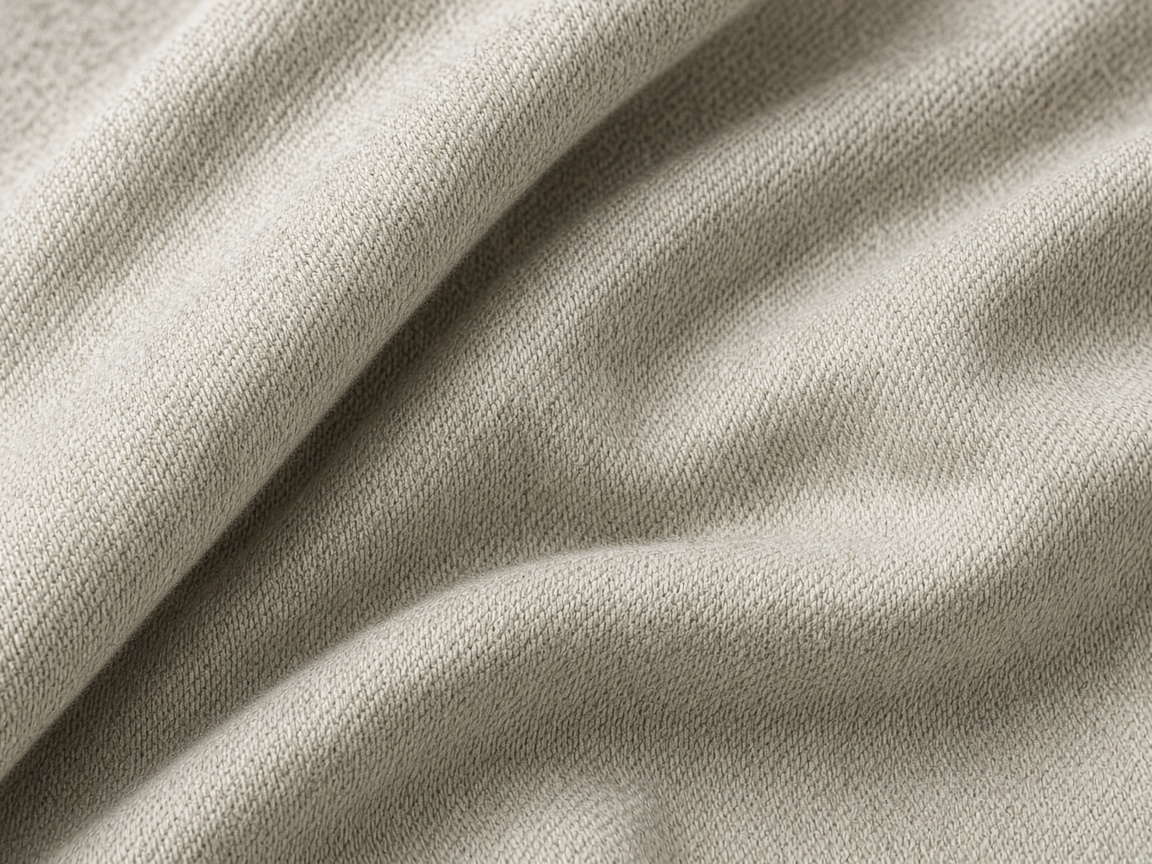
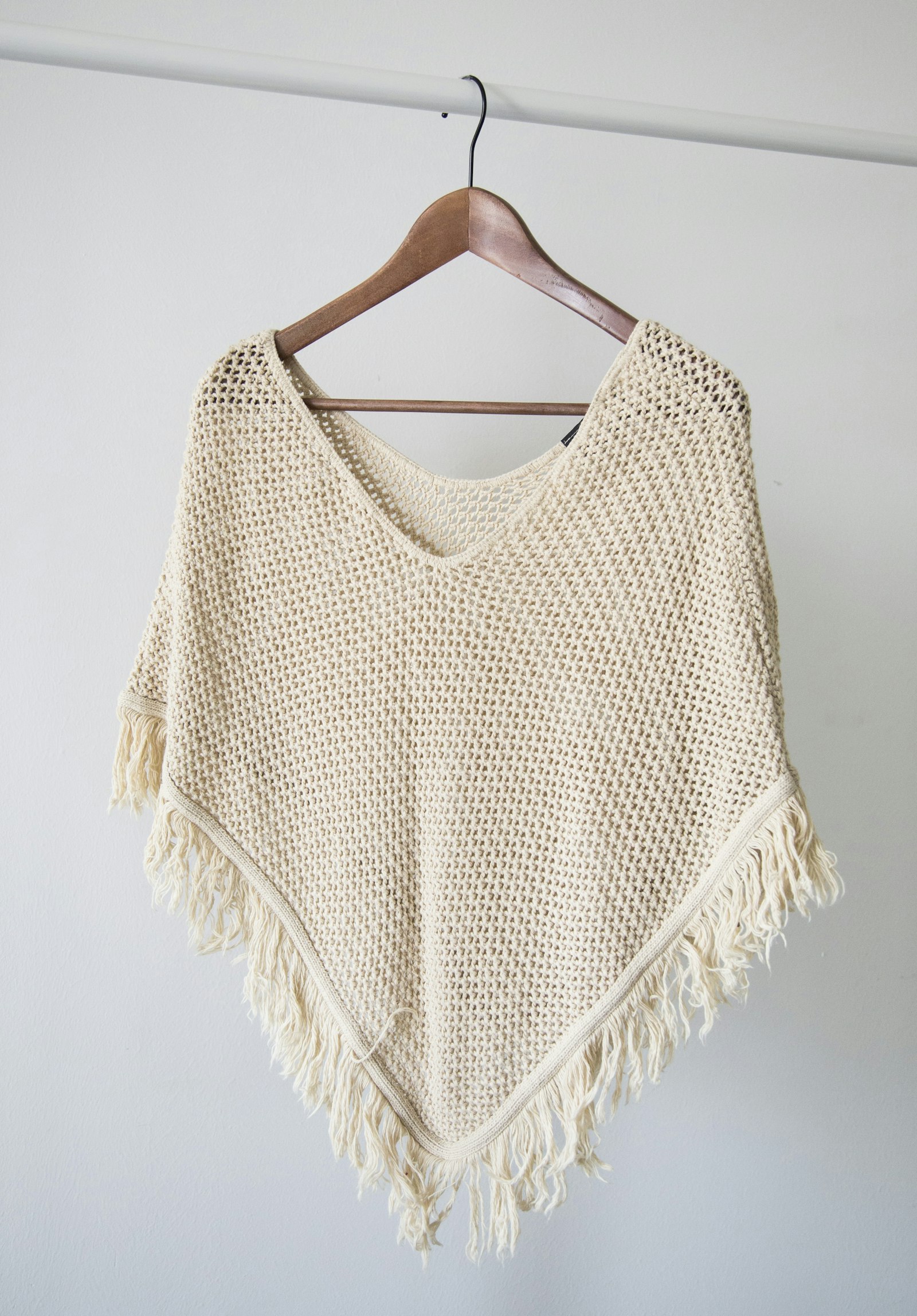
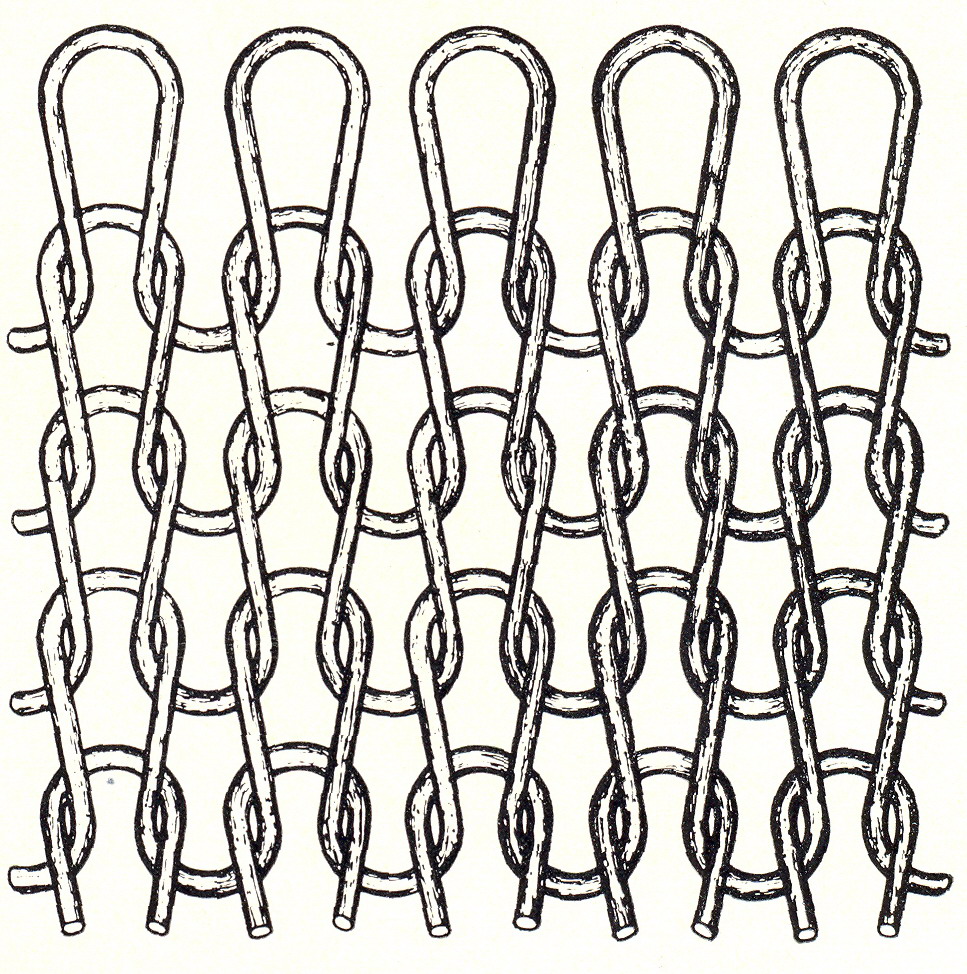
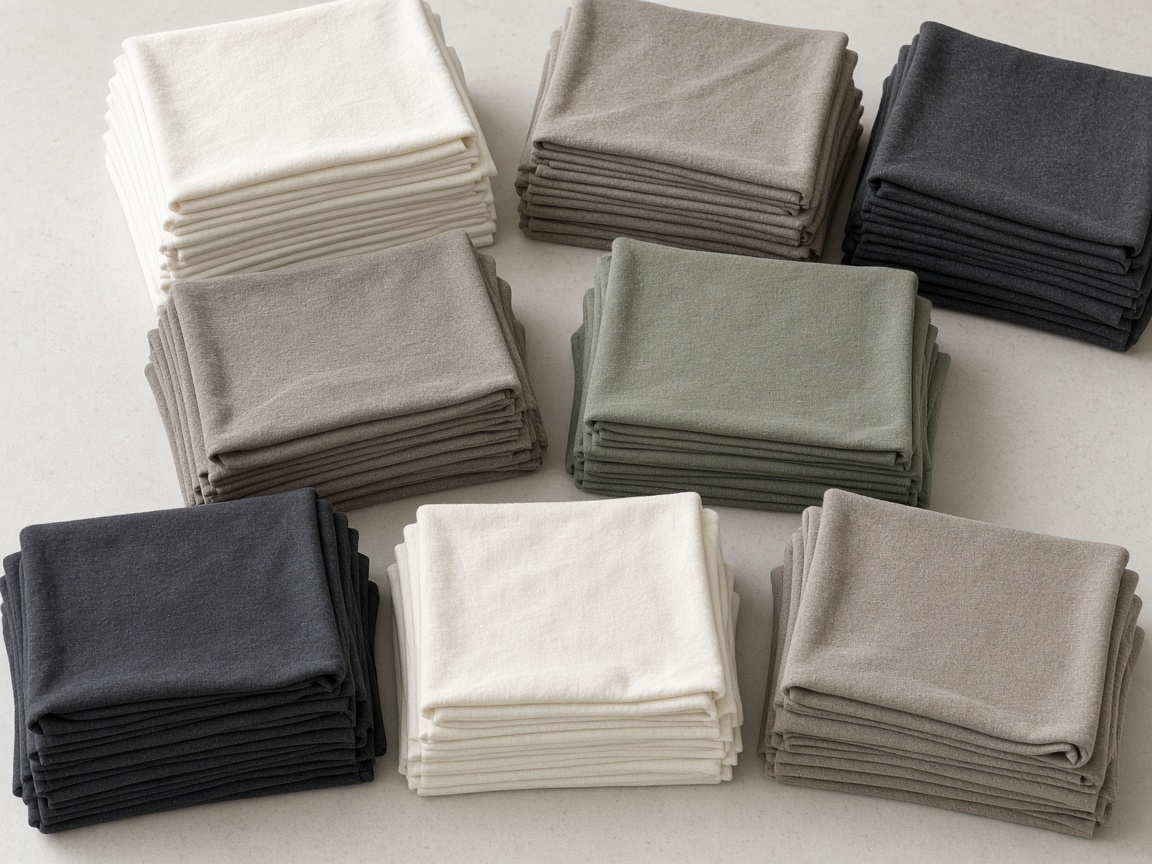
Varieties and end use
Single jersey, slub jersey, interlock, and rib are the usual requests. Tees, tanks, dresses, kidswear, and light layers are typical. Fleece and French terry have a separate page.
Composition
Cotton jersey, cotton-elastane, viscose or modal blends, and polyester knits all appear. The same GSM can feel unrelated once fiber and finish change.
GSM, tube, and width
Fashion tees, heavier retail tees, and dress weights occupy different bands. Mention tubular versus open-width if it affects markers.
Color and finishing
Piece-dyed knits, heathers, enzyme or silicone finishes, and print grounds need different shade control. Name garment-dye if planned.
Production notes
Torque, spirality, and wavy seams are the usual risks. Include recovery and opacity after wash if they are non-negotiable.
Buyer note
State whether the knit is for a fitted tee, a relaxed dress, or a kidswear program. Marker and shrinkage assumptions change with that choice.
Recovery
If necklines or hems must return after wash, write that requirement instead of relying on the word jersey.
Opacity
Pale shades and lighter GSM need an opacity note after wash, not only in the loom state.
Request knit or jersey
Request a quote
Discuss a wholesale fabric program
Send the category, estimated quantity, delivery state, and garment requirements. ETECJK reviews each brief individually.