Linen fabrics
Linen and linen blends for warm-weather apparel
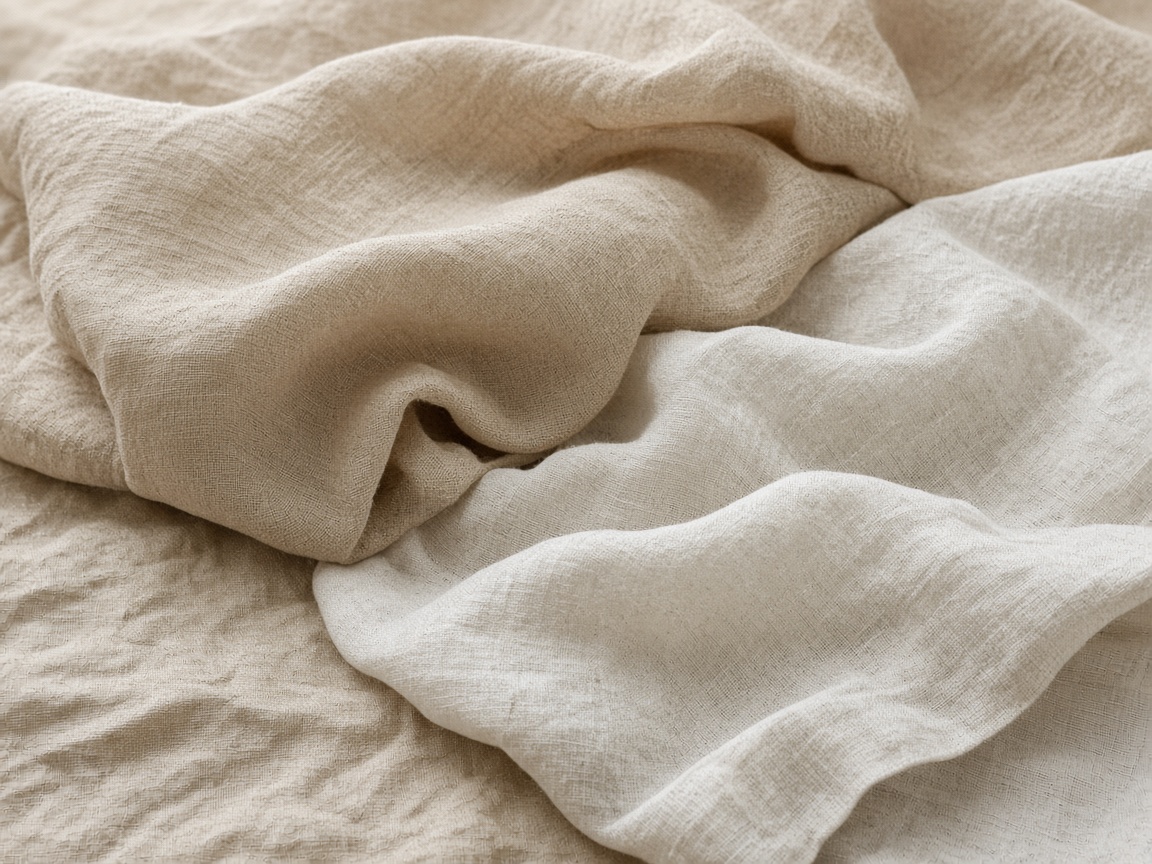
Buyers choose linen for breathability and visible character. Those same traits require a clear brief on slub, crease, and shade variation.
Pure linen, linen-cotton, and linen-viscose sew and drape differently. Material options, specifications, quantities, and pricing are confirmed after review.
Composition
100% linen, linen-cotton, and linen with viscose or elastane are common. A polyester “linen look” belongs under blends.
Applications
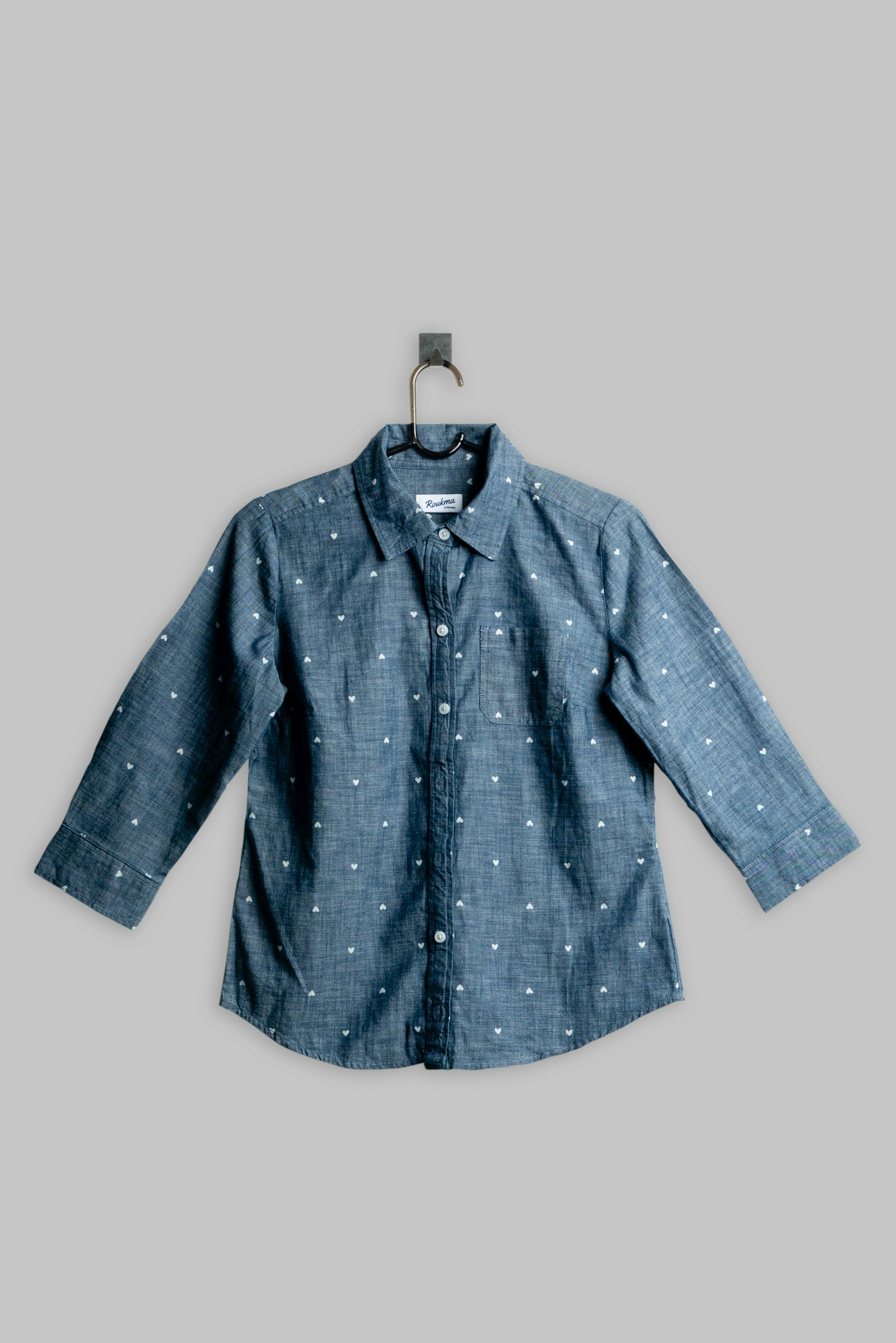
Shirts, dresses, trousers, shorts, and relaxed jackets. Unlined summer tailoring needs separate lining and fuse questions.
GSM and hand
Pair a weight target with a hand note: dry, washed, or crisp. Finishing can relax or stiffen the same GSM.
Color and finishing
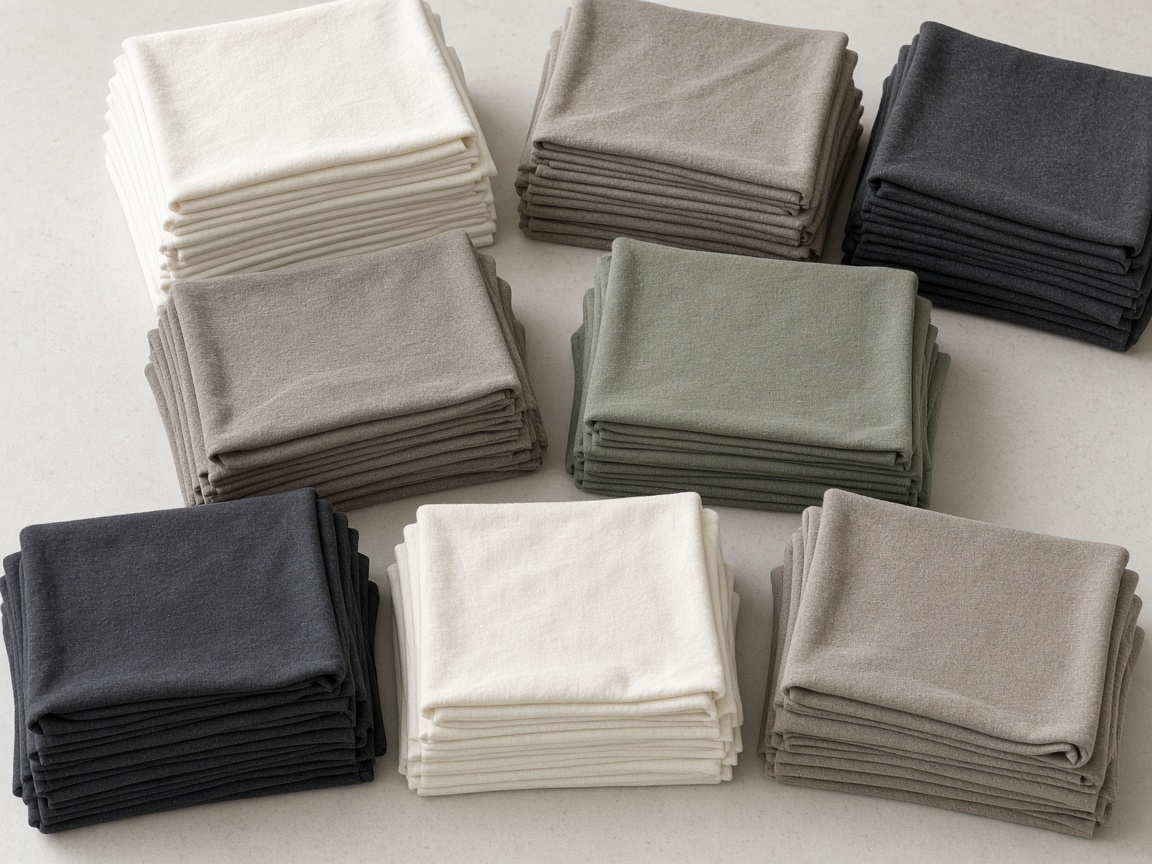
Natural, yarn-dyed, and piece-dyed linens take color differently. Enzyme finishes change both drape and apparent slub.
Production
Linen can ravel and show needle marks. If garment wash is planned, state intensity.
Buyer notes
Decide whether slub should stay pronounced and what opacity is acceptable in pale shades.
Request linen
Request a quote
Discuss a wholesale fabric program
Send the category, estimated quantity, delivery state, and garment requirements. ETECJK reviews each brief individually.